The third upcoming area of research methods
A valuable tool for public health policy advocacy
Hard Skills - Programming Language - Transparency and Reproducibility
Soft Skills - Communication - Storytelling - Geospatial analytics - Ethical skills
are a good way to bring in reproducible algorithms for GIS/SDS
Traditionally data in healthcare are:
However, they are:
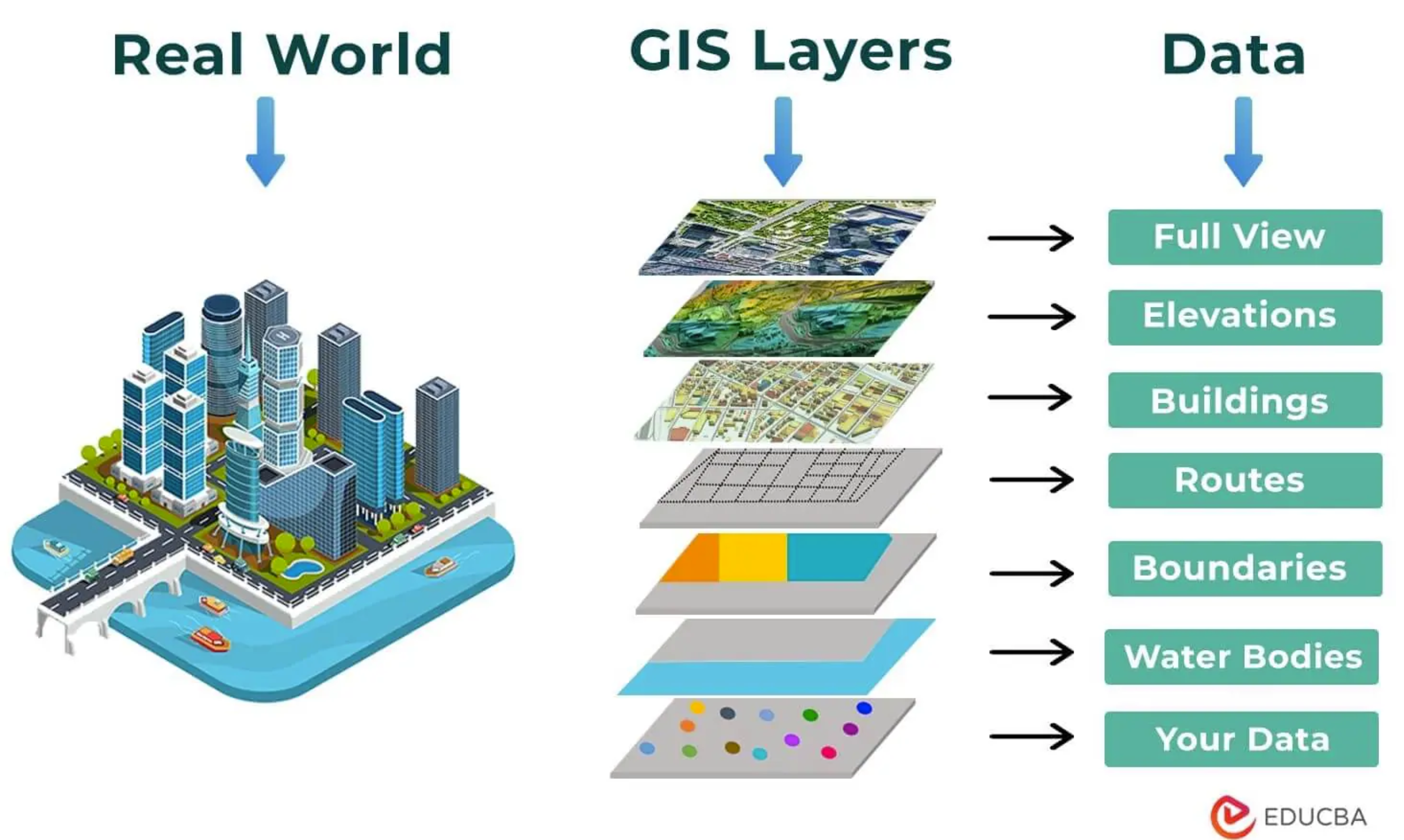
Tied into the Geodata revolution
Accidental: created for different purposes but available for analysis as a side product
Diverse: resolution and quality but, potentially much more detailed in both space and time


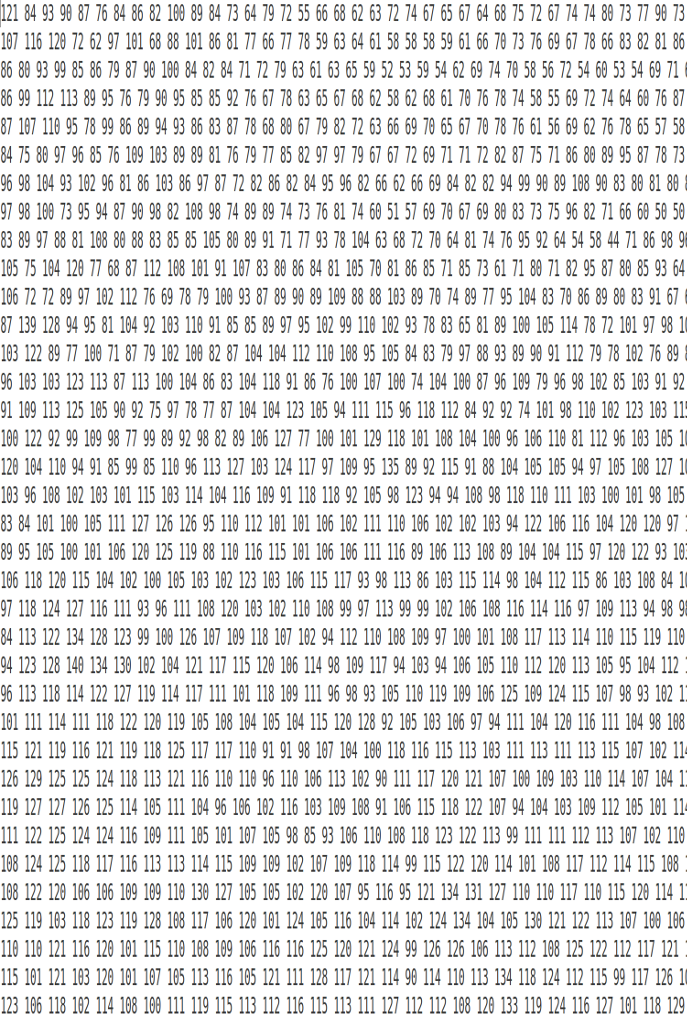
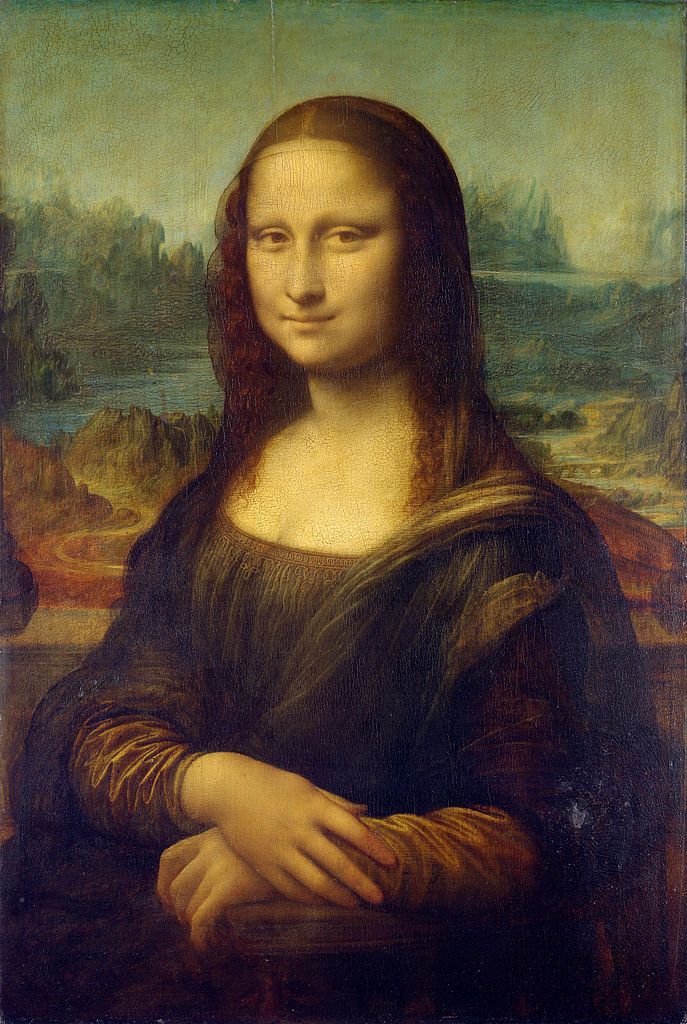
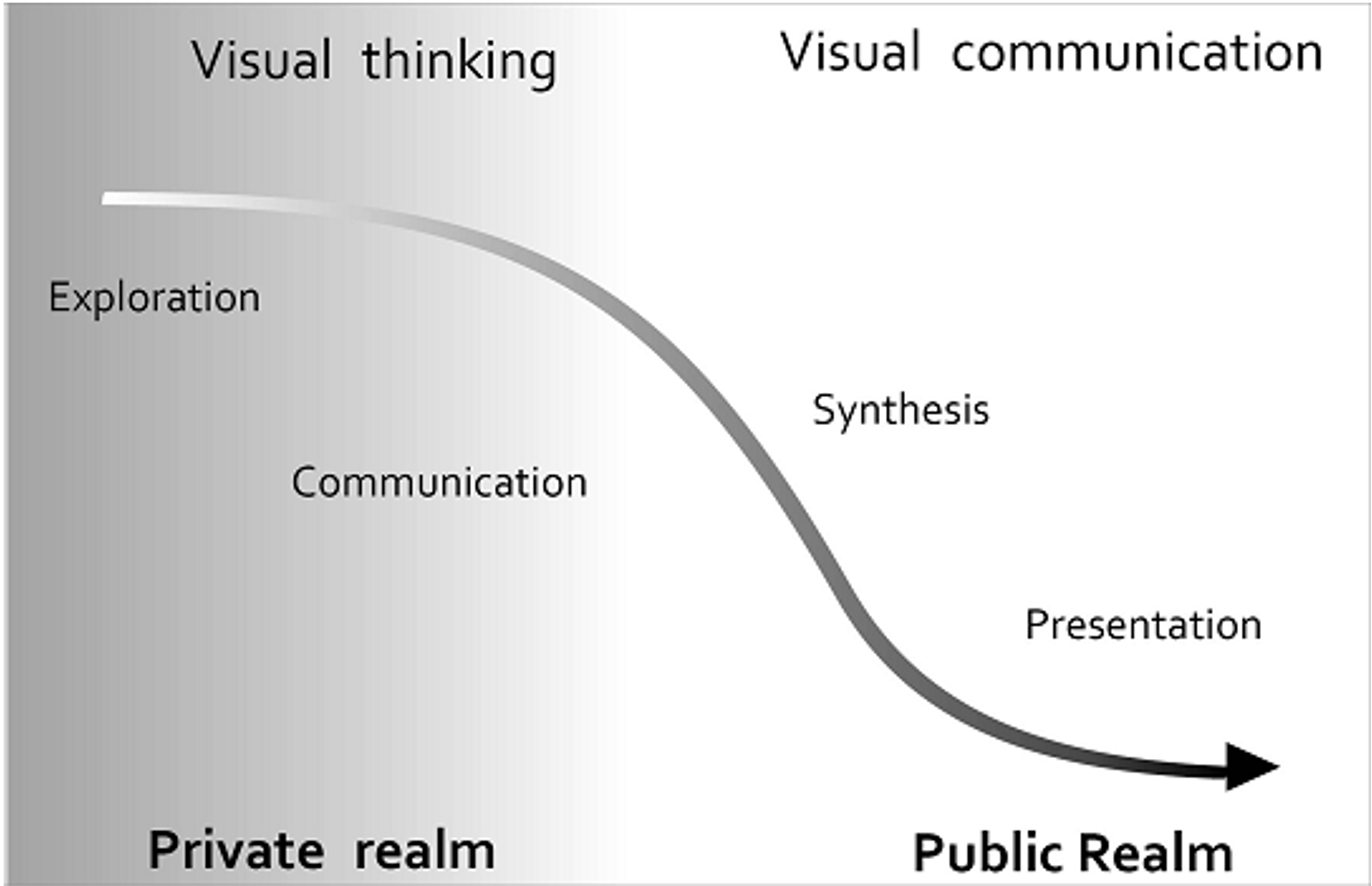
By encoding information visually, they allow to present large amounts of numbers in a meaningful way.

Translating numbers into a (visual) language that the human brain “speaks better”
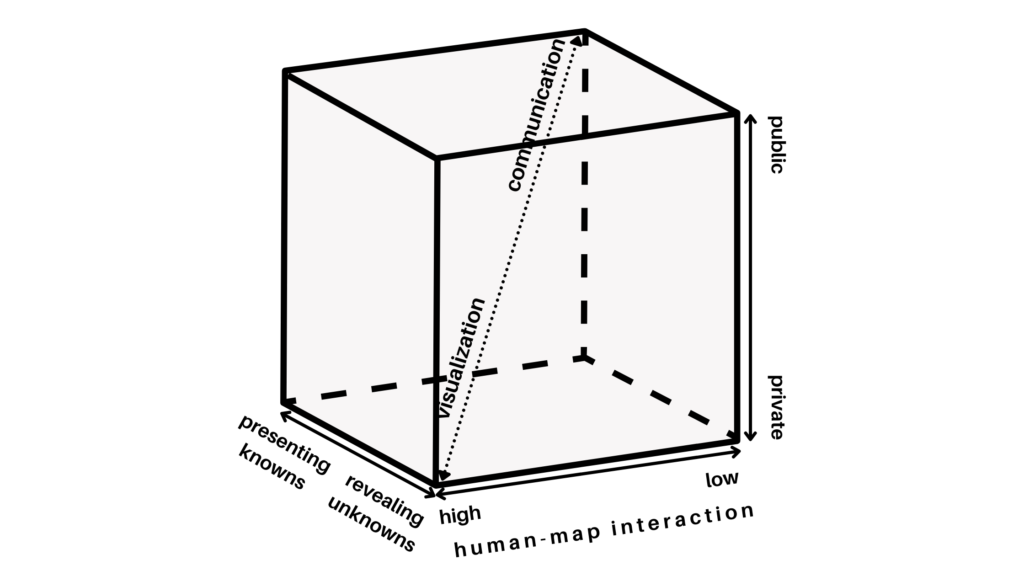
> “forces us to notice what we never expected to see”
(Tukey 1977: vi)
Mostly for researchers in the course of the research process.
Many, quick and dirty, and rather unattractive graphs.
> “forces readers to see the information the designer wanted to convey”
(Kosslyn 1994: 271)
Mostly for others after the research is completed.
Few, carefully crafted, and attractive graphs.
Thematic map in which values of a variable are encoded using a colour gradient of some sort
Both allows us to guage the distribution of a variable.
For a statistical method to be explicitly spatial, it needs to contain some representation of the geography, or spatial context.
Spatial Weights Matrices are building block for spatial analysis and statistics.
They are used to assign a weighted average or sum of neighbouring data values to an observation, or other point in space.
Relates to concepts of spatial ‘smoothing’ and interpolating data
Spatial weights form the core element in several spatial analysis techniques
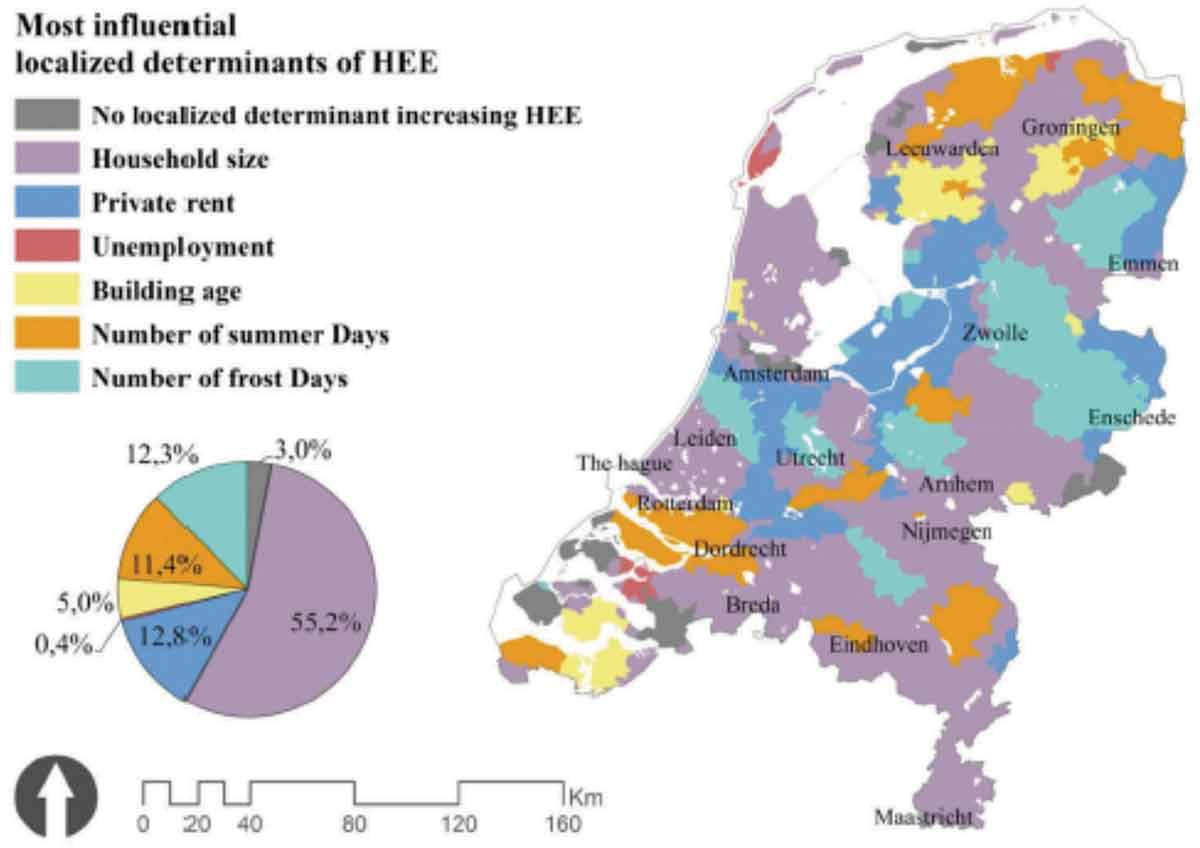
Most influential local determinants of household energy expenditure
Late-stage breast cancer rates in Chicago region in 2000: (a) ZIP code areas, (b) REDCAP-constructed areas
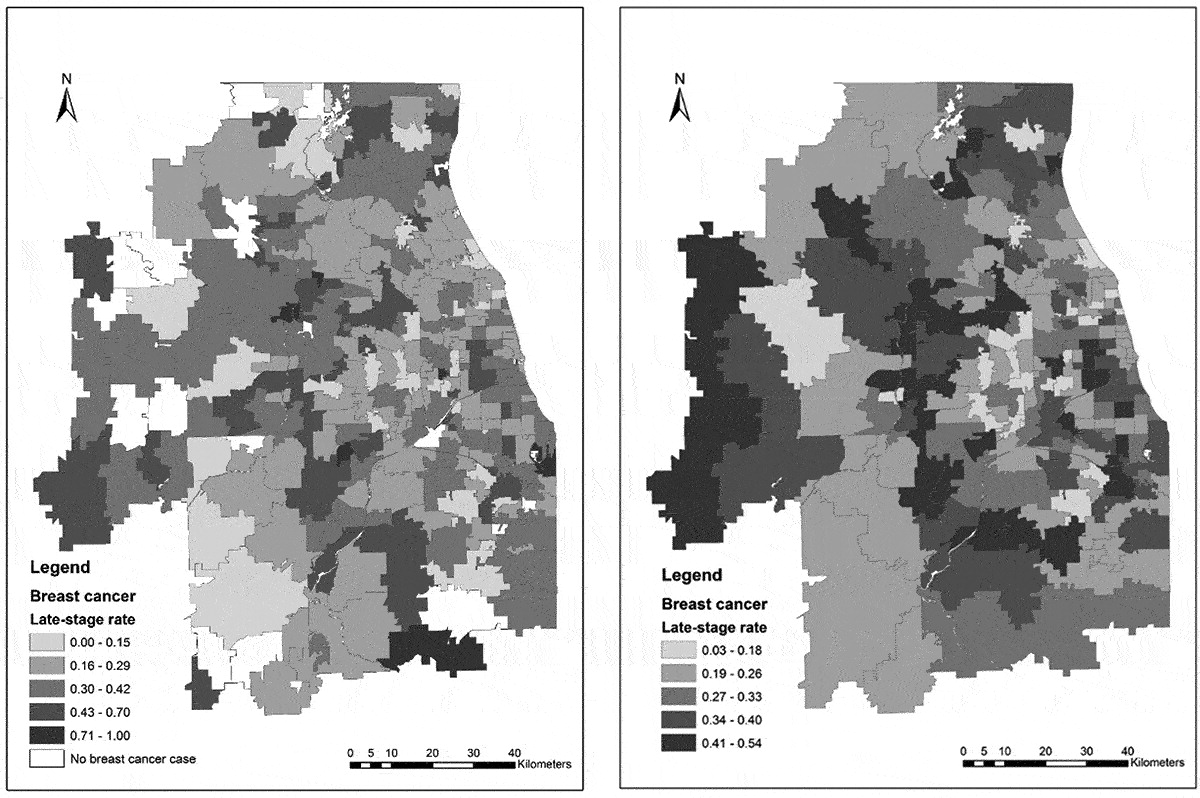
::: aside Wang et al., 2015 (doi:10.1080/19475683.2019.1702099) :::


DMgtAsia · Spatial Epidemiology